Thesis 01
Family housing lacks integration
The market often treats buildings, management, mobility, and services as separate systems. MODULIMO aims to combine them into a single value architecture.
MODULIMO structures an integrated ecosystem combining family housing, mobility, services, and software infrastructure, supported by industrialized construction and an advanced innovation lab. The first layer — CoHabitat — is already accessible as a demo: it concretely illustrates residential management, resource coordination, and the system logic MODULIMO is rolling out at scale, and stands as an initial proof of execution.
The market often treats buildings, management, mobility, and services as separate systems. MODULIMO aims to combine them into a single value architecture.
The software layer makes the model measurable, manageable, and improvable. It turns a real estate project into an operable system.
Construction standardization, combined with brand logic and digital assets, can support a duplicable and scalable model.
The project’s potential lies in the integration of family housing, software, mobility, services, and construction standardization. The value created does not rely only on the real estate asset, but on the ability to reproduce a coherent system.
Structured vision. The living, mobility, and services pillars are already articulated within a systems logic.
Growth path. Industrialized construction creates a potential base for future deployment.
MODULIMO is exploring industrialized construction to optimize quality, repeatability, execution speed, and reproducibility for current and future buildings. This approach is intended to support a structured deployment model, potentially applicable to a franchise or residential network logic. It also aims to make the model duplicable, controllable, and scalable.
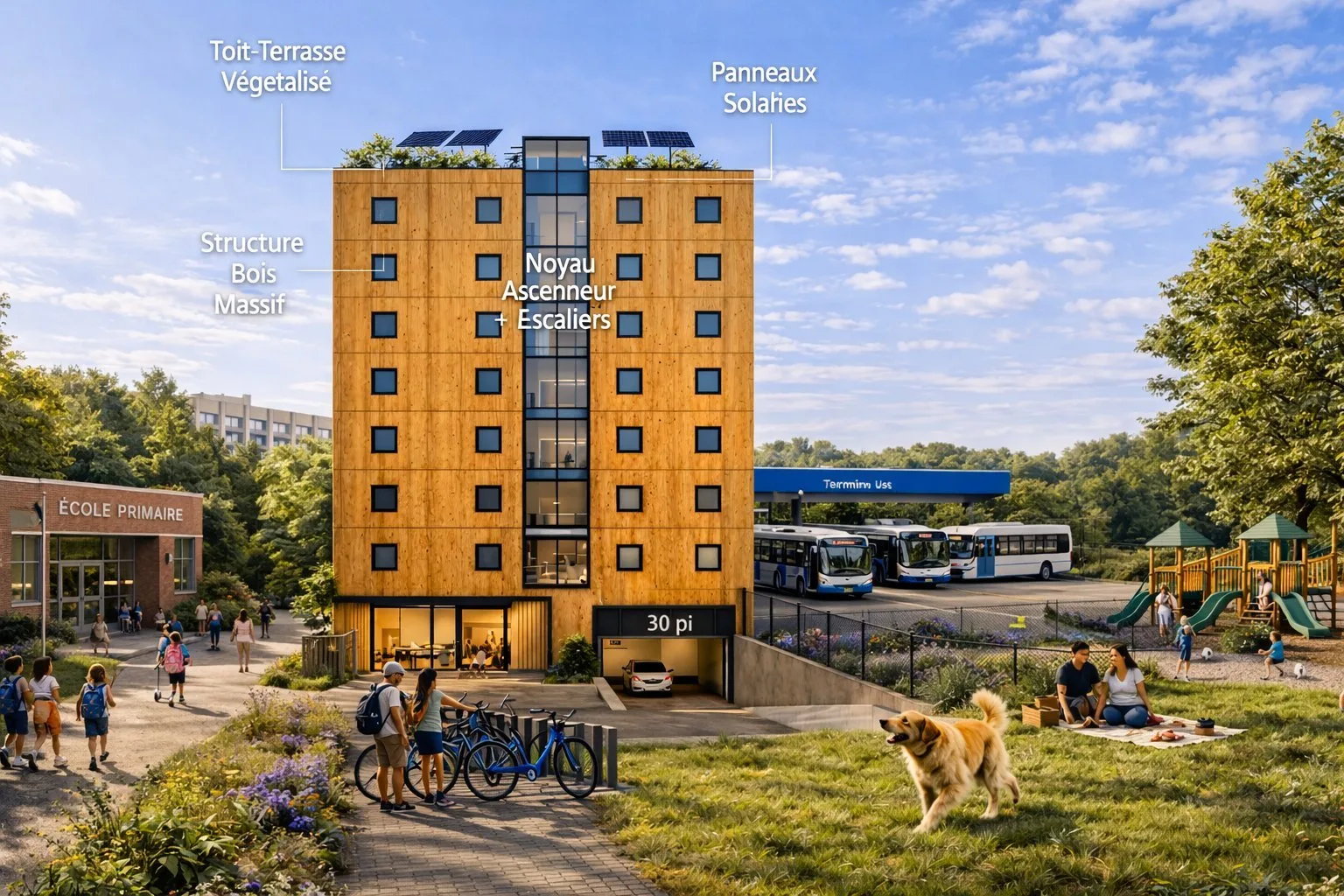
The building is not only an architectural destination: it is the physical platform around which software, mobility, services, and future growth are organized.
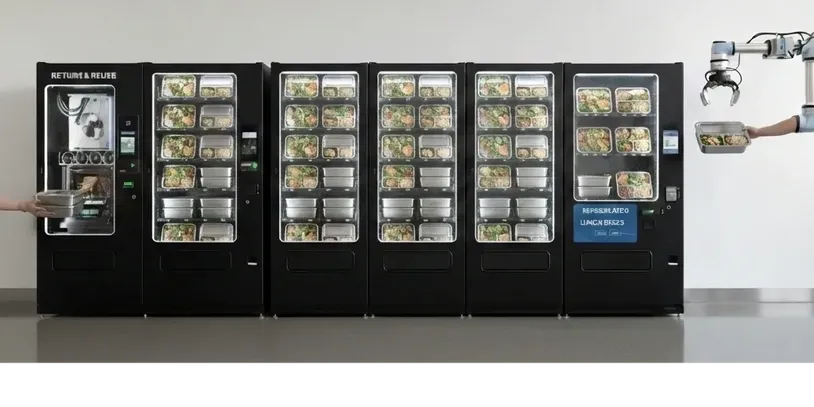
Certain amenities can be integrated into the living environment to simplify access to useful daily services within a logic of comfort, efficiency, and support for family life.
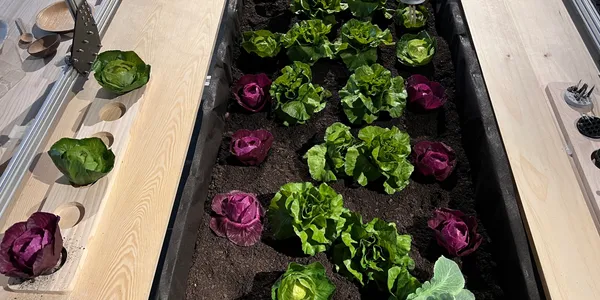
MODULIMO is also exploring paths related to indoor production, food freshness, and the practical resilience of residential services, with particular attention to the needs of a family-oriented living environment.
The objective is not only to build units, but to create a more integrated living framework, especially suited to family housing, supported by services, a software interface, and a coherent systemic logic.
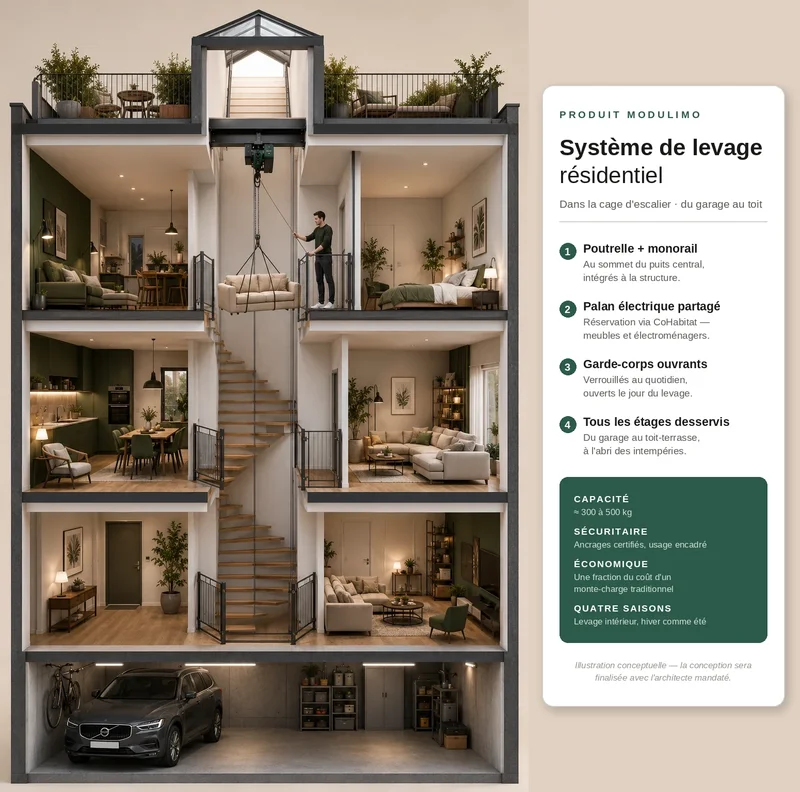
Steel beam, monorail and electric hoist at the top of the stairwell — furniture, appliances and heavy loads travel up the central shaft from the ground floor to the top floor, with no cab or elevator machinery. A simple, economical alternative to a freight elevator, designed for moves and daily family life.
First deployment: Pointe Est — Montreal ↗

Hens in a residential setting for local egg production and natural composting.

Growing tunnel to extend the growing season even under Montreal snow.

Insulated and heated structure enabling year-round hen farming in the Quebec climate.
MODULIMO asserts a clear positioning focused on family housing: more functional homes, better day-to-day quality of life, integrated useful services, proximity mobility, and an environment designed to support real family needs.
This emphasis on family housing strengthens the project’s credibility. It anchors innovation in a real, durable, and monetizable use case: living better, moving better, and managing a complete living environment.
The MODULIMO dashboard illustrates an initial interface direction for driving, assistance, and supervision of future velomobiles. The demo can be opened separately for full-screen viewing.
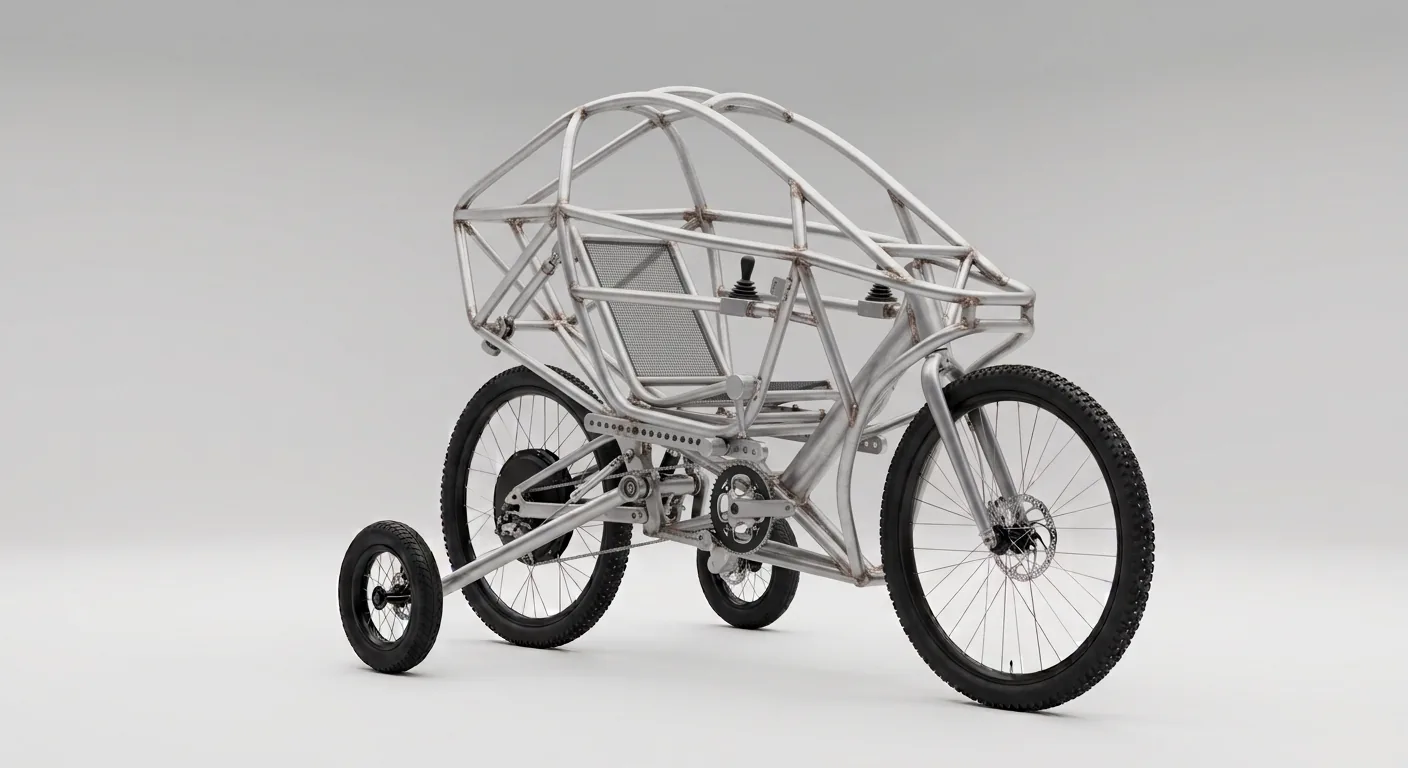
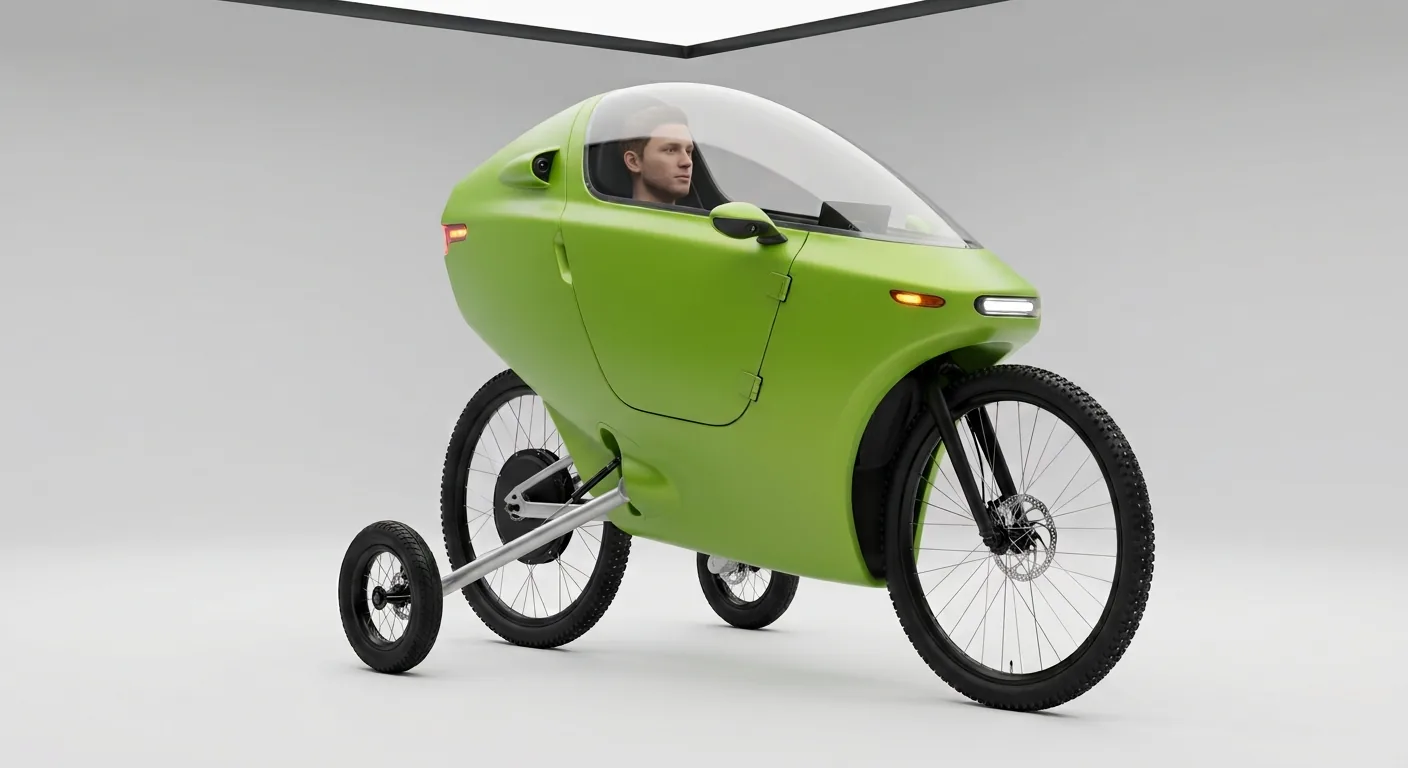
MODULIMO is developing a line of thinking around enclosed light mobility, designed to better connect the building, daily life, and certain demanding climate conditions.

This component remains in conceptual development, but it strengthens the overall coherence of the MODULIMO system by linking housing, movement, and infrastructure.

Utility, light transport, and carrying capacity are among the paths explored to increase the vehicle’s functional value in a residential context.
Mobility is not presented as an isolated element. It is a natural extension of the building, software, and services, within a vertically integrated logic that is rare in the market.
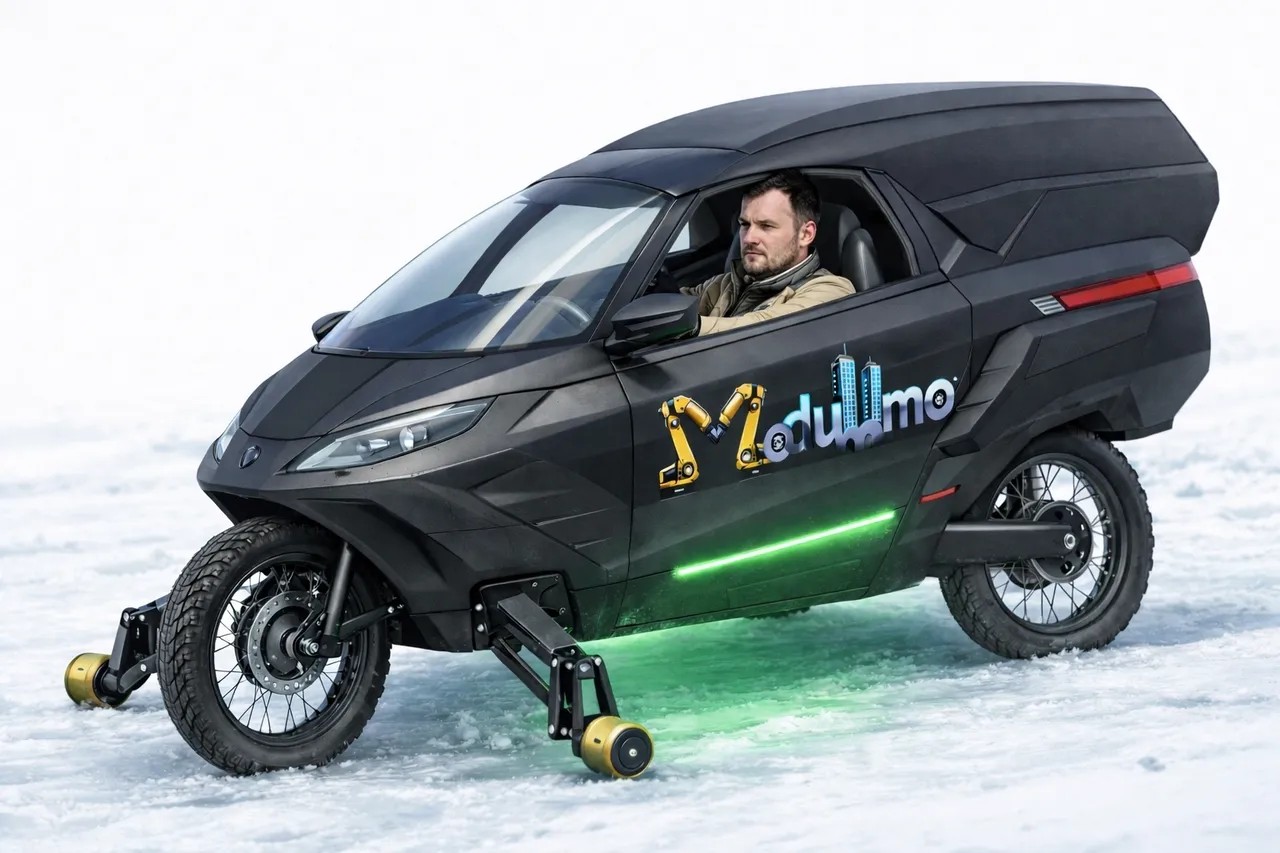
MODULIMO innovation also includes an experimental branch focused on resilience, autonomy, and the integration of complex systems. The Forest Bunker project illustrates this laboratory role: a space to test extreme approaches, autonomy logics, and advanced system interfaces. These developments are part of a research framework and do not constitute a commercial offering.
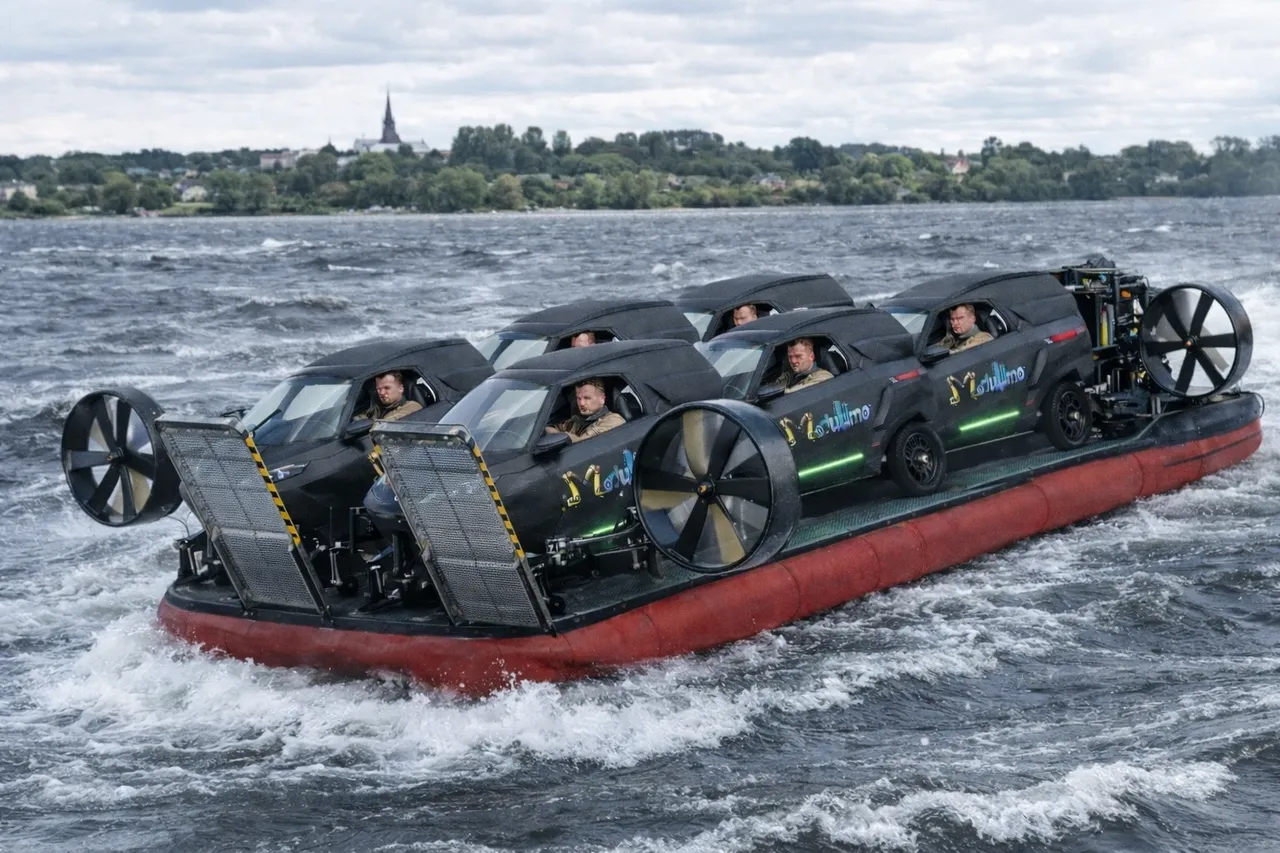
This branch should be understood as a research and exploration framework. It does not constitute an immediate product offer or deployment promise, but rather a strategic learning engine for the broader brand.
MODULIMO stands out through an unusual integration between family housing, the built environment, the software layer, services, mobility, and construction standardization capacity. This combination creates a deeper value proposition than a simple real estate project or a simple digital tool, opening the door to a coherent, differentiated, and potentially scalable deployment model.
Models that connect software, operations, the built environment, and user experience tend to create more value than fragmented approaches. MODULIMO is built around that logic.
The entire system — family housing, software, mobility, services, and construction — is designed to evolve into a structured, duplicable, and scalable model.